Before you come
Plan your trip to Türkiye
The questions travelers actually send us, answered plainly by people who live here. Where an answer depends on official rules that change, we say so and send you to the source rather than guessing on your behalf.
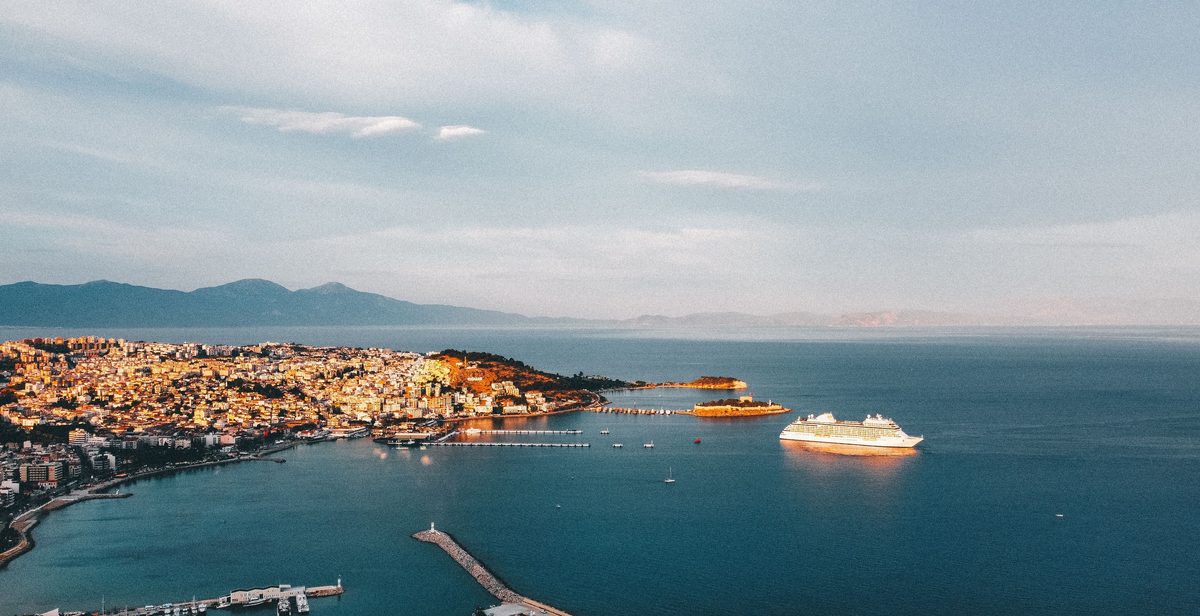
Is Türkiye safe for tourists?
The tourist regions — Istanbul, the Aegean coast, Cappadocia — are, in our daily experience, safe and very used to visitors. Ordinary city sense applies: pickpockets work crowded areas like the Grand Bazaar and tram stops, and taxi disputes are the most common tourist complaint in Istanbul. Before any trip, read your own government's current travel advice, since it is updated as things change and we are guides, not a foreign ministry.
Do I need a visa for Türkiye?
It depends entirely on your passport, and the rules have changed repeatedly in recent years — several nationalities that once needed an e-Visa no longer do. Check the official evisa.gov.tr for your own country before booking flights, and be wary of lookalike sites that charge a fee to fill in the same form.
When is the best time to visit Türkiye?
April–May and September–October are the sweet spots: warm, clear and without July's heat. Summer on the Aegean regularly passes 35°C, and Ephesus has very little shade — if you come in August, start at opening time. Winter is quiet and cheap, Cappadocia in snow is genuinely beautiful, but some coastal places half-close.
How much does a trip to Turkey cost?
Day-to-day costs — food, tea, local transport — are low by European standards. The money goes on site entrance fees, domestic flights between regions and the Cappadocia balloon flight. The fixed part we can price exactly: Ephesus entry is €40 per adult in 2026, with the Terrace Houses inside the site a separate €15. Full breakdown: what a trip to Turkey costs in 2026.
What should I wear at mosques and ancient sites?
For working mosques: shoulders and knees covered for everyone, and a headscarf for women — most large mosques lend scarves at the door. For ancient sites: proper shoes. Ephesus is marble, polished by two thousand years of feet, and it is slippery. A hat and water in summer are not optional.
Can I visit Ephesus on my own, without a tour?
Yes — it is a public archaeological site, you can buy a ticket and walk in. Whether you should is a different question. Ephesus has very little signage, and without someone to explain it you will walk through a beautiful field of marble not knowing that you passed the commercial agora, a brothel, and the theater where a riot in Acts of the Apostles took place. Plenty of people hire a guide for a couple of hours and explore alone afterwards, which is what ephesusbylocals.com is built for.
A rough shape for a first trip
If you have ten days and it is your first time, this is what we would suggest — and roughly why.
days in Istanbul
Enough for Sultanahmet, Topkapı, the Bosphorus and one wandering day in Balat or Kadıköy without sprinting.
days on the Aegean
Fly to İzmir. Ephesus and the House of the Virgin Mary, then Şirince or Pamukkale, based in Kuşadası or Selçuk. Read what to see in Ephesus, site by site, or stretch the leg into a Seven Churches itinerary.
days in Cappadocia
Three, not two — balloon flights are weather-dependent and you want a spare morning in case the first is canceled.
The tenth day is for travel between them. Nobody ever regrets the buffer day.