20 Things to Know Before Traveling to Turkey in 2027
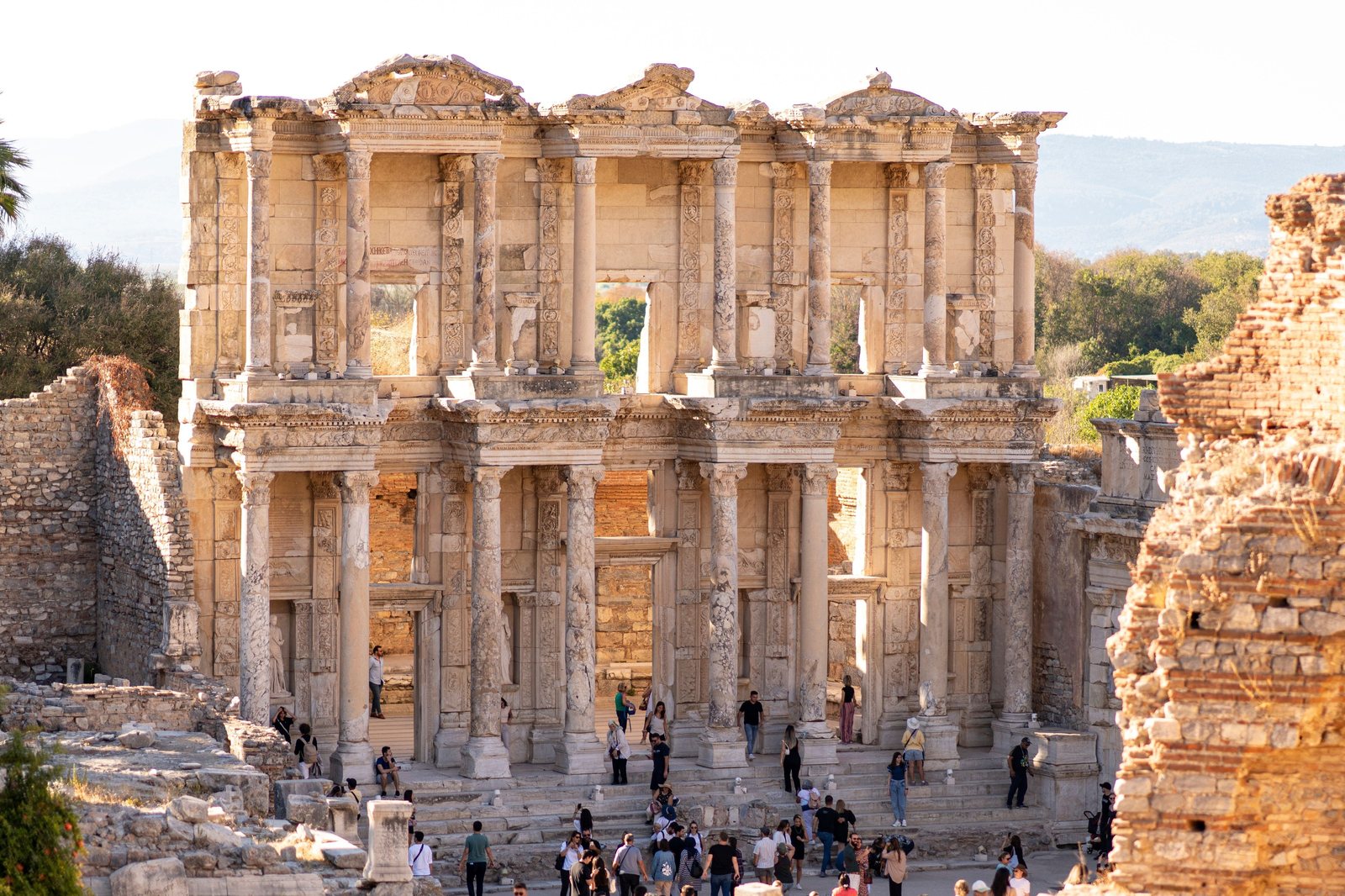
The things to know before traveling to Turkey start with money and manners: tipping is customary but optional (about 10 percent in restaurants), the currency is the Turkish lira, and mosques ask for covered shoulders and knees. Türkiye is also about 1,600 km wide, so most trips fly between regions, and ordinary US, UK and Canadian passports need no visa for stays of up to 90 days.
We are licensed guides, and these are the questions first-time visitors send us most often, in roughly the order they ask them. Each of the twenty points below comes with one concrete number, and where a figure is set by the government and changes, we send you to the official source rather than print something that will be out of date by 2027.
If you read nothing else
- Tipping: customary, optional; about 10 percent in restaurants, €20 to €40 per group for a full private day with a guide.
- Money: Turkish lira. Cards work almost everywhere; keep small lira notes for tips, snacks and restrooms.
- Mosques: shoulders and knees covered, hair covered for women, shoes off.
- Distances: Istanbul to Cappadocia is more than 700 km by road; fly between regions.
- Paperwork: check your visa only at evisa.gov.tr or the Ministry of Foreign Affairs, and carry a passport valid six months from arrival.
What should I know before traveling to Turkey?
Know that tipping is customary but optional, that the Turkish lira is the currency and cards are widely accepted, that mosques need covered shoulders, knees and (for women) hair, that regions are hours apart so you fly between them, and that visa rules depend on your passport, checked only on official sites.
The rest of this page takes those points one at a time, grouped the way a trip unfolds: money first, then what to wear, then getting around and getting in, then the calendar and daily life.
Money: tipping in Turkey, cash, cards and euros
1. Tipping is customary in Turkey, but optional
Tipping, bahşiş in Turkish, is a normal thank-you rather than an obligation. In restaurants, about 10 percent is usual when the service was good; check the bill first, because some places add a service charge. For a full private day with a licensed guide, about €20 to €40 per group is normal, and about half that for the driver. Our post on tipping tour guides in Turkey covers group tours, multi-day trips and port days.
2. Hotel tips: lira, dollars or euros all work, lira works best
For a hotel porter, a housekeeper or a doorman, small lira notes are the most useful tip, because they can be spent the same evening. Euros and dollars are accepted too, but give notes rather than coins, since foreign coins cannot be changed. A note or two per bag for the porter and a small note per night left in the room with a thank-you are both common.
3. The currency is the Turkish lira, and cards work almost everywhere
Prices in Türkiye are set in Turkish lira (TRY, written ₺). Visa and Mastercard are taken in hotels, restaurants, supermarkets, museum ticket offices and most shops, and contactless payment is common in the cities. ATMs are everywhere; withdraw larger amounts less often, as each foreign withdrawal can carry a fee from your own bank.
4. Keep some cash in lira for the small things
Cash still matters for the small purchases: a simit from a street cart, a tip, a village market, a ferry snack and, most of all, public restrooms, which often charge a few lira at the door. Keep the equivalent of €20 to €30 in small lira notes and coins in a pocket rather than in the hotel safe.
5. Euros are accepted in tourist areas, but pay in lira when you can
Many hotels, tour companies and shops in the main tourist areas will take euros or dollars, and some quote in euros, but change usually comes back in lira and the exchange rate is the shop's own. When a card machine asks whether to charge you in your home currency or in lira, choose lira: the conversion is then made by your own bank, which is usually the better rate.
Istanbul dress code for tourists, mosques and ruins
6. Mosques ask for covered shoulders, knees and hair
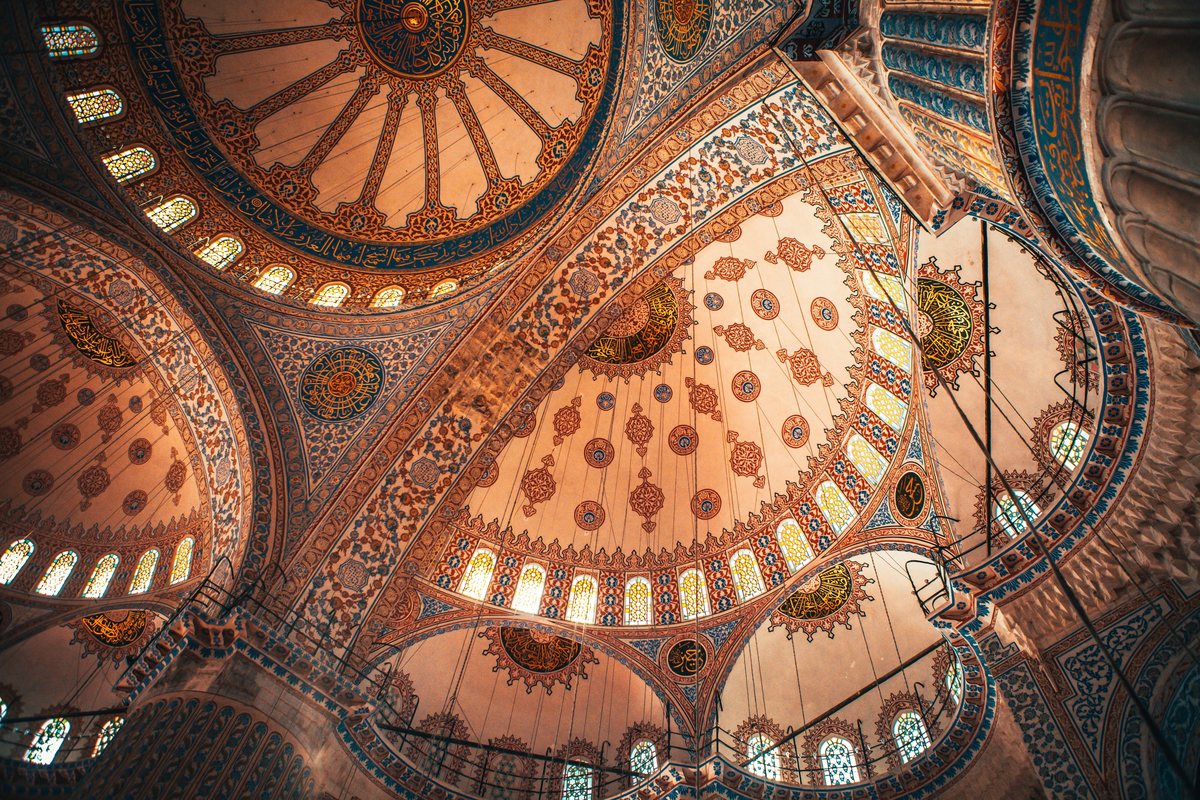
Working mosques are open to visitors outside prayer times. Everyone covers shoulders and knees, women cover their hair, and shoes come off at the door; large mosques such as the Blue Mosque lend scarves and wraps and provide bags for your shoes. Visits pause for each prayer that falls in visiting hours, for roughly half an hour, and the Friday midday prayer closes mosques to visitors for longer, so plan mosque visits for the morning or mid-afternoon.
7. Outside mosques, dress as you would in any big European city
Istanbul's streets have no dress code for tourists: shorts, T-shirts and summer dresses are normal in July. Smaller towns and villages in central Anatolia are more conservative, and a light scarf and trousers or a longer skirt make visits easier there. At ancient sites the real dress code is your shoes: the marble at Ephesus has been polished by two thousand years of feet, so wear soles with grip. Our Istanbul colleagues go into detail on what to wear in Istanbul.
Distances, flights and tickets
8. Turkey is bigger than it looks on the map
Türkiye stretches about 1,600 km from west to east. Istanbul to Cappadocia is more than 700 km by road, and Istanbul to Ephesus about five and a half hours by car. A first trip that joins Istanbul, Ephesus and Cappadocia in a week is possible, but only by flying the long legs. Our post on how many days you need in Türkiye shows what fits into five, seven, ten and fourteen days.
9. Fly between regions, and check which Istanbul airport
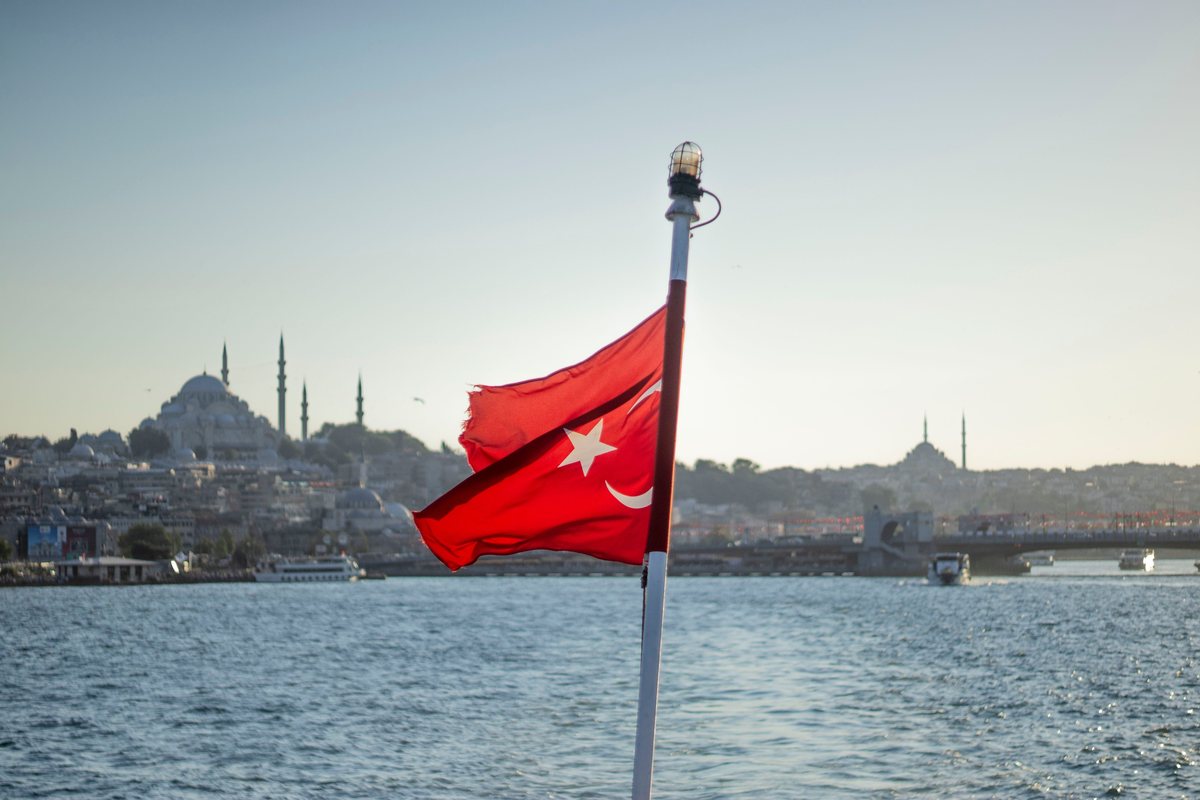
Domestic flights are short: about 75 minutes from Istanbul to Kayseri or Nevşehir for Cappadocia, and about an hour to İzmir, which is 40 to 50 minutes by road from Ephesus. Istanbul has two airports, Istanbul Airport (IST) on the European side and Sabiha Gökçen (SAW) on the Asian side, more than an hour apart in traffic, so check the airport code on every ticket. Our guide to getting from Istanbul to Ephesus and Cappadocia compares the flight, bus and train options.
10. The Museum Pass covers a lot, but not everything
Museum Pass Türkiye gives one entry to each of more than 300 state museums and archaeological sites for 15 days. It pays off when your route includes many state sites, and it does not cover places run by other bodies, such as the House of the Virgin Mary, which charges its own national-park fee. Prices change, so check the current one on the Ministry's muze.gov.tr before you buy.
11. Skip-the-line entry saves the morning at the big sites
The ticket queue is where many visitors lose their first hour at Ephesus, Topkapı Palace or the Göreme Open Air Museum. On our private tours in Türkiye, entry is priority, skip-the-line: we buy your tickets in advance, and the ticket cost is billed separately from the tour at exactly the Ministry's gate price. Our trip-cost guide lists what the main sites charge.
Visas and paperwork to sort before you fly
12. Many passports need no visa; check yours on the official site
Türkiye's Ministry of Foreign Affairs lists ordinary US, UK and Canadian passport holders as visa-exempt for tourism for up to 90 days in any 180-day period, while other nationalities need an e-Visa or a visa. Your passport must be valid at least 60 days beyond the end of your stay, and the ministry advises six months from arrival. Check your own passport on the ministry's visa page, because the rules do change.
13. The only official e-Visa website is evisa.gov.tr
If your passport needs an e-Visa, apply at evisa.gov.tr, the government's own site, which takes a few minutes and issues the visa by email. Search results also show lookalike websites that fill in the same form for an extra fee; the address ending in .gov.tr is the one to trust. Print the e-Visa or keep it on your phone for the border.
Ramadan and public holidays in 2027
14. Ramadan 2027 falls in February and early March
In 2027, Ramadan runs through most of February and ends with the three-day Ramazan Bayramı on March 9 to 11, according to the Directorate of Religious Affairs' calendar. For visitors, very little changes: restaurants in the tourist areas stay open by day, sites keep their hours, and the evening iftar meal fills squares and restaurants with a festive crowd. Eat and drink discreetly in conservative neighborhoods out of courtesy.
15. The two religious holidays are the dates that change plans
The Ramazan Bayramı (March 9 to 11, 2027) and the four-day Kurban Bayramı (May 16 to 19, 2027) are when millions of people travel to their families. Flights, buses and coastal hotels fill early, and the Ministry's museums and archaeological sites stay closed until 13:00 on the first day of each holiday. The national days, such as April 23, May 19, August 30 and October 29, bring flags and parades but change far less for visitors.
Daily life: the small things to know before traveling to Turkey
16. Tea comes first, and it is offered everywhere
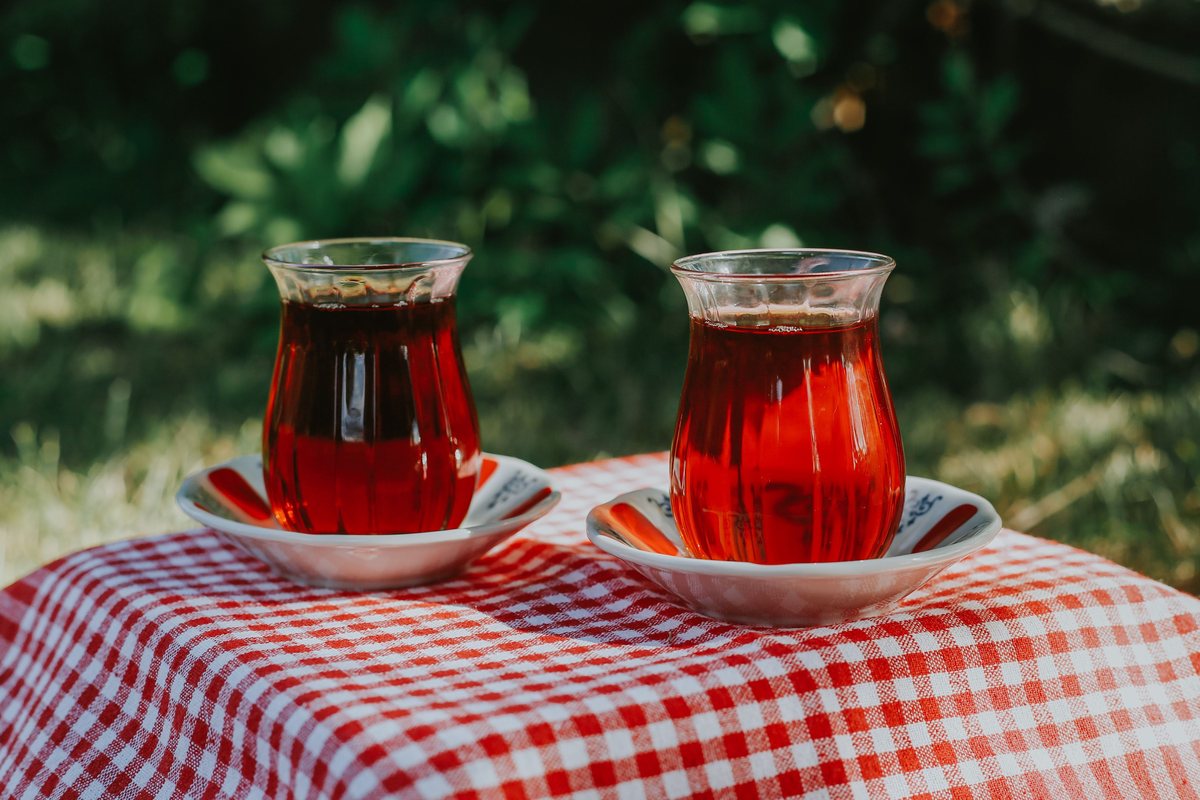
Türkiye drinks about three kilograms of tea per person a year, by most estimates more per head than any other country, served strong and black in small tulip-shaped glasses. You will be offered a glass in shops, carpet showrooms, hotel lobbies and village homes. Accepting is a friendly way to start a conversation and never an obligation to buy anything; say teşekkürler (thank you) and enjoy it.
17. In the bazaars, friendly bargaining is part of the visit
At bazaar stalls and in many small shops, the first price is a starting point and a smiling counter-offer is expected; supermarkets, pharmacies and chain stores have fixed prices. Take your time, enjoy the tea, and buy what you love. On our tours we visit carpet, leather and jewelry workshops, cruise-line recommended and fully insured, where guests are welcome to look, are never pressured and are never obliged to buy.
18. One time zone, all year, and European plugs
Türkiye stays on UTC+3 all year and has not changed its clocks since 2016, so in summer it is the same time as Athens and in winter an hour ahead of it. Sockets are the round two-pin European type (C and F) at 230 volts, 50 hertz: bring an adapter from the US or UK, and check that chargers say 100 to 240 V.
19. Ephesus is a walk of about 1.5 km, mostly downhill
Most tours enter Ephesus at the Upper Gate and walk about 1.5 km downhill on ancient paving to the Lower Gate, past Curetes Street, the Library of Celsus and the Great Theater; a few start at the Lower Gate for travelers who find walking hard or are short of time. There is very little shade, and Aegean summers regularly pass 35°C, so come at opening time in July and August with water and a hat. The Terrace Houses, reached by stairs, are not wheelchair accessible.
20. Safety: ordinary city sense covers almost everything
Istanbul, the Aegean coast and Cappadocia are, in our daily experience, safe and well used to visitors; the realistic risks are pickpockets in crowded places and taxi disagreements, so keep valuables zipped and use metered taxis or an app. Read your own government's travel advice before you book, since it is updated as things change. Our post is Türkiye safe for tourists? gives the longer answer, and our trip-planning page collects the other first-time questions.
About this page
- Written by: the 141 Journeys guide team, licensed guides who meet first-time visitors to Türkiye every week.
- Sources: Türkiye's Ministry of Foreign Affairs visa information for foreigners and the official e-Visa system; the Directorate of Religious Affairs calendar for the 2027 holidays; the Ministry of Culture and Tourism's muze.gov.tr for the Museum Pass; FAO Intergovernmental Group on Tea papers for tea consumption.
- Last reviewed: October 2026. Visa rules, holiday dates and ticket prices are set by the government and can change; check the official pages before you travel.
Frequently asked
How much should you tip at restaurants in Turkey?
About 10 percent when the service was good. Tipping is customary in Turkey but optional, so check the bill for a service charge first. For a full private day with a guide, about €20 to €40 per group. Round up taxi fares rather than adding a percentage. Our tipping guide has the figures for guides and drivers.
Should I tip hotel staff in lira, dollars or euros?
Lira is best, but euros and dollars are accepted. A porter or housekeeper can spend lira the same day, while foreign notes have to be changed, so small lira notes are the kinder tip. If you only have euros or dollars, give a note rather than coins, which cannot be exchanged.
What is the dress code in Istanbul for tourists?
On the streets, there is none beyond what you would wear in any big European city. Inside mosques, everyone covers shoulders and knees, women cover their hair, and shoes come off at the door. Large mosques lend scarves and wraps, but carrying a light scarf saves the queue.
Can I pay in euros in Turkey?
Sometimes. Hotels, tour companies and many shops in tourist areas take euros, but prices are set in lira and change is usually given in lira. For everyday spending, pay in lira or by card, and when a card machine offers to charge you in your home currency, choose lira.
What is the currency in Ephesus, Turkey?
The Turkish lira, as everywhere in Türkiye. The ticket office at Ephesus takes cards, and the cafés and stalls at the gates take lira and cards. Keep some small lira notes for water, a coffee and the restrooms.
Do I need to do anything before traveling to Turkey?
Yes, three things. Check your passport's visa status at the Ministry of Foreign Affairs or evisa.gov.tr, make sure the passport is valid at least six months from arrival, and tell your bank you are traveling so your card is not blocked. Then check your government's travel advice.
Is it OK to travel to Turkey during Ramadan?
Yes. Restaurants and cafés in the tourist areas stay open by day, and nobody expects visitors to fast. Eat and drink discreetly in conservative neighborhoods out of courtesy. The sunset meal, iftar, fills restaurants and city squares, which many travelers enjoy.
Is there a dress code for Ephesus?
No. Ephesus is an open-air archaeological site, so wear what keeps you comfortable: shoes with grip for the polished marble, a hat and sunscreen. Bring a scarf if your day includes the House of the Virgin Mary or a working mosque. Our sister site covers what to wear at Ephesus.
Do you have to pay to use public restrooms in Turkey?
Often, yes. Many public restrooms in parks, bazaars, bus stations and some mosques charge a few lira at the door, usually in cash. It is the question first-timers only think of on the day, and the reason to keep small lira coins and notes in a pocket rather than in the hotel safe.