Is Türkiye Safe for Tourists? An Honest Answer
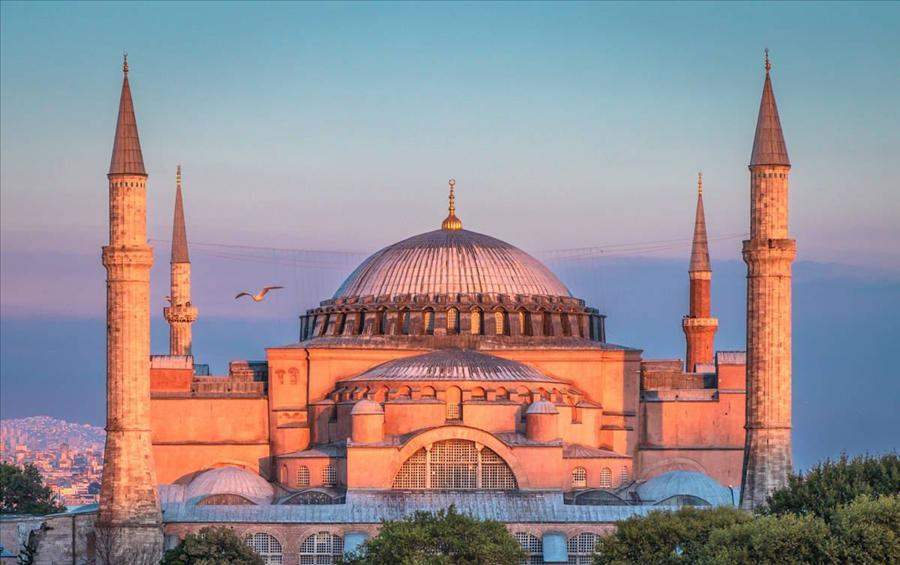
It is the single most common question in our inbox, and it deserves a straight answer rather than either a sales pitch or a scare story. The tourist regions of Türkiye — Istanbul, the Aegean coast around Ephesus, and Cappadocia — are safe places to visit: in twenty years of guiding here, the trouble we actually see is pickpocketing and taxi overcharging, not violence. We guide in them every week, with families, elderly travelers and people on their own.
That is our experience, honestly given. It is not a substitute for your own government's current travel advice, which is updated as circumstances change and covers regions we never take anyone near. Read it before you book. Then read the rest of this, which is the practical part nobody official will tell you.
The short version
- Tourist regions are safe and heavily used to visitors.
- The realistic risks are petty theft and taxi overcharging, not violence.
- Check your government's advisory for current regional guidance.
- Ordinary city sense covers almost everything else.
What actually goes wrong for tourists
In twenty years of guiding, the complaints we hear are remarkably consistent, and none of them are dramatic:
- Pickpockets in crowds. The Grand Bazaar, the tram at rush hour, the crush outside Hagia Sophia. Front pockets, zipped bags, and that is the end of it.
- Taxi disputes in Istanbul. The classic is a "broken" meter and a price invented on arrival. Use a ride-hailing app, or ask your hotel to call one.
- The shoe-shine and restaurant-tout routines. Irritating, occasionally expensive, never dangerous. A firm no works.
- Heat. Genuinely the most common thing that ruins a day. Ephesus in August is marble with almost no shade, and people underestimate it every single summer.
Is it dangerous to go to Turkey right now?
No — Turkey's tourist regions are not dangerous for ordinary visitors. Istanbul, the Aegean coast around Ephesus and Cappadocia are heavily policed and heavily visited, and the realistic risks our 141 Journeys guides see week to week are pickpocketing and taxi overcharging, not violence. Check your own government's advisory for the specific regions you plan to visit before you book.
That said, we cannot answer it for a specific week from a page written in advance, and anyone who does is guessing. What we can tell you is how to decide well: read what your foreign ministry says about specific regions rather than the country as a whole, and ignore social media impressions of a country the size of Türkiye formed from a single headline.
If you have a trip booked and you are unsure, write to us. We will tell you what things look like here this week, including if the answer is "wait".
Is Türkiye safe for families?
Turkish culture is openly, sometimes overwhelmingly, fond of children. Restaurant staff will take your toddler for a walk around the room. The practical concerns with children here are the ones you would expect anywhere hot: shade, water, and not attempting three ancient sites in one afternoon.
The parts we would genuinely think about
Two honest caveats. First, earthquakes — Türkiye is seismically active, and it would be dishonest to leave that out of a safety article. Second, driving. Turkish traffic is assertive, and mountain roads in Cappadocia and the Aegean are not the place to learn. It is one reason our tours include a driver.
What we would tell a friend
Come. Take normal city precautions, respect the heat, use licensed transport, and read the official advice for the regions you plan to visit. Then spend your attention on the actual reason you came — which, in Ephesus at eight in the morning with the marble still cool, is a very easy thing to do.
Frequently asked
Is Istanbul safe for tourists?
Yes. The areas visitors spend their time in — Sultanahmet, Beyoğlu, Kadıköy, the Bosphorus villages — are busy, policed and very used to foreigners. The realistic risks are pickpocketing in crowds and taxi disputes, not violence.
Is it safe for women traveling alone in Türkiye?
Yes, generally — many solo women travel here without trouble, and our guides regularly host them. Expect more direct attention than in northern Europe: warm invitations into shops and cafés, and the occasional unwanted conversation. Dressing a little more conservatively in non-tourist neighborhoods and using licensed transport at night is the usual practical advice.
Is the tap water safe to drink in Türkiye?
Yes, it is treated and generally safe, but almost nobody drinks it, including locals — the taste is poor and the older pipes in some buildings are the real issue. Bottled water is cheap and universal.
What about earthquakes?
Türkiye sits on active fault lines and this is a genuine feature of life here, not something to pretend away. Modern hotels in tourist regions are built to current codes. Learn the standard advice — drop, cover, hold — and know where your stairwells are, the same as you would in Japan or California.