The Best Time to Visit Türkiye, Month by Month
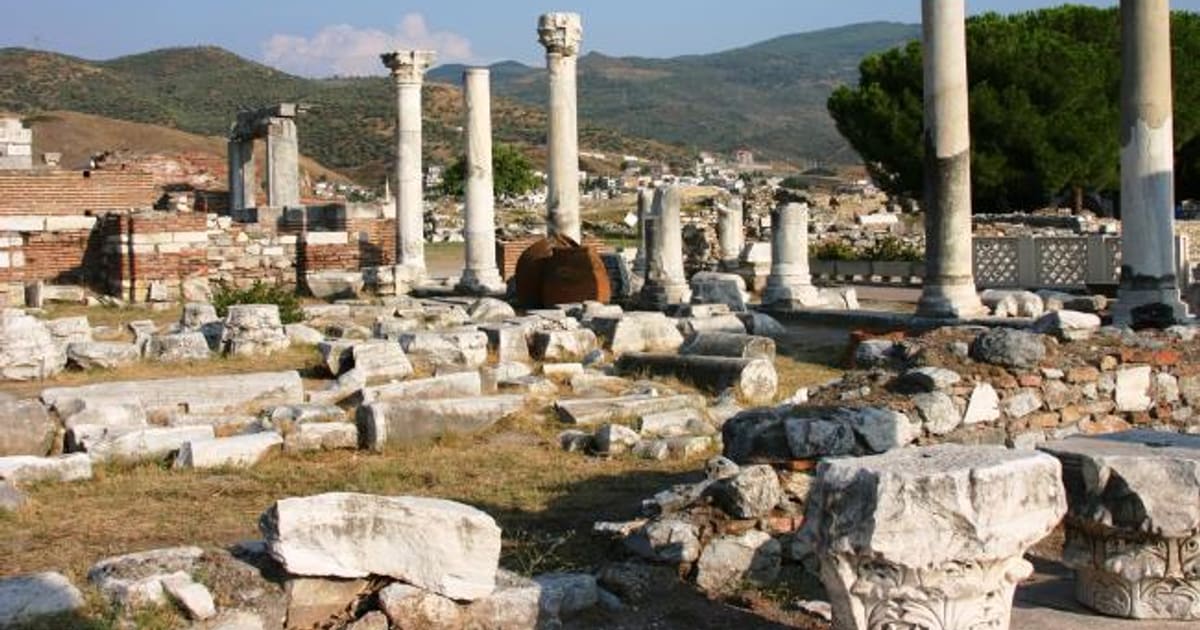
For most travelers the best time to visit Türkiye is April to early June, or September to late October — warm and settled, well short of the 35°C summer peak on the coast. You get long daylight and archaeological sites that are walkable rather than punishing. Those two windows are what we would book ourselves, and what we suggest to almost everyone who asks.
But "best" depends on what you came for. A beach holiday, a balloon flight and a Seven Churches pilgrimage do not share the same ideal month. Here is the honest breakdown.
Quick guide
- April–May — wildflowers, mild ruins weather, everything open. The sweet spot.
- June — hot but manageable; sea warm enough to swim.
- July–August — very hot, busiest, most expensive. Early starts essential.
- September–October — the other sweet spot; warm sea, thinning crowds.
- November–March — quiet and cheap; Cappadocia in snow; short days.
About this page
- Written by: the 141 Journeys guide team, who work outdoors through every season here.
- Last reviewed: September 2026.
Spring: April, May, early June
The Aegean is green in April in a way that surprises people who imagine Türkiye as permanently brown. Wildflowers come up through the ruins, the marble is cool underfoot, and you can spend six hours at Ephesus without the heat deciding your schedule for you. Sea swimming becomes realistic from late May. If Istanbul is on the trip too, our Istanbul team covers the best time to visit Istanbul, tulips and crowds included.
High summer: July and August
Hot. Genuinely, seriously hot on the coast, and ancient cities are the worst possible place to be at two in the afternoon — Ephesus is white marble with almost no shade, and it reflects the sun back at you. This is also peak cruise season, so the sites are at their busiest.
It is entirely doable if you invert the day: at the gate when it opens, ruins finished by noon, then lunch, shade, and the sea. That is how everyone who lives here handles August. Before you commit, check today's weather at Ephesus.
Autumn: September and October
Our own favorite. The sea is at its warmest after a summer of heating, the crowds thin after the first week of September, and the light in October across the Aegean is the best of the year for photographs. Cappadocia's balloon conditions are typically excellent.
Winter: November to March
The case for winter is real, if narrower. Istanbul is wonderful in cold weather — steamed windows, tea, empty museums. Cappadocia after snowfall is one of the genuinely extraordinary sights in the country, with balloons over white valleys; our Cappadocia team writes about Cappadocia in winter in detail. Prices fall considerably.
Against: daylight is short, some coastal resorts effectively close, and a rainy day at an open-air archaeological site is a poor use of a holiday. Our guide to Turkey in winter compares Istanbul, Ephesus and Cappadocia month by month, with official temperatures for each.
A note on Ramadan and public holidays
Ramadan moves each year and does not stop anything for tourists — restaurants in tourist areas stay open — but the atmosphere in the evenings is special, and worth experiencing deliberately. The two religious holidays that follow it are major domestic travel weeks: internal flights and hotels fill and prices spike. If your dates are flexible, we will tell you when they fall.
So when should you come?
If you want one answer: the second half of September. Warm sea, walkable ruins, dependable balloon weather, and the summer crowds already gone home.
Frequently asked
What is the hottest month in Türkiye?
July and August, comfortably. On the Aegean, daytime temperatures regularly pass 35°C, and ancient sites offer very little shade. If you visit then, start at opening time and be finished with the ruins by noon.
Is winter a bad time to visit Türkiye?
Not bad — different. Istanbul is atmospheric and uncrowded, Cappadocia under snow is spectacular, and prices drop. The trade-offs are short daylight, some coastal towns half-closed, and a genuine chance of rain at the archaeological sites.
When is the best time for a Cappadocia balloon flight?
Spring and autumn, when conditions are most reliable. Flights run year-round but are entirely weather-dependent and canceled for wind. Whenever you come, allow more than one morning — a single-night stay is how people miss the flight altogether.
When is Ephesus least crowded?
Early morning any day, and the shoulder months either side of summer. Cruise ships dock at Kuşadası through the season and their passengers arrive in a predictable wave mid-morning; being at the gate at opening time means you get the Curetes Street photograph without three hundred people in it.